Accounts Payable on the Central Coast
Get Started Today
Thank you for contacting Books in a Mess Australia.
We will get back to you as soon as possible.
Oops, there was an error sending your message.
Please try again later.
Organised systems for managing business payments and receipts.
Managing Accounts Payable & Receivable Efficiently
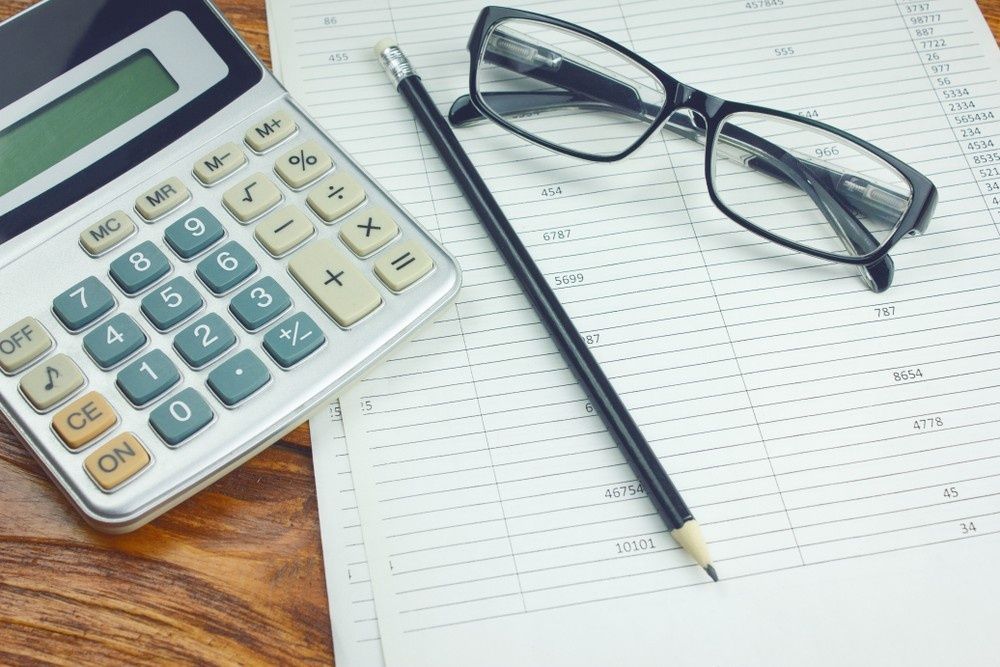
At Books in a Mess Australia, based on the Central Coast, we manage accounts payable and receivable systems that ensure financial transactions are recorded, tracked, and reported accurately. Our structured approach helps maintain transparency across all incoming and outgoing payments, allowing businesses to monitor cash flow and maintain compliance with accounting standards. Using cloud-based platforms such as Xero and DEXT, we record invoices, process supplier payments, and track customer receipts in real time.
Every transaction is verified against supporting documentation to confirm accuracy and consistency across all accounts. We maintain detailed records that align with Australian Taxation Office (ATO) and business reporting requirements. Our focus on clear documentation and timely data entry ensures that both payables and receivables are properly managed, reducing the likelihood of discrepancies or missed payments.
We take a methodical approach to managing cash flow and maintaining financial accuracy for businesses of all sizes. To learn more about how we can assist with accounts payable and receivable management, call 0407 535 880 today.
Frequently Asked Questions
What is the difference between accounts payable and accounts receivable?
Accounts payable (AP) refers to the money a business owes its suppliers or vendors for goods and services received but not yet paid for. It represents short-term liabilities recorded on the balance sheet. Accounts receivable (AR), on the other hand, represents money owed to the business by its customers for goods or services delivered on credit. It is recorded as an asset, as it indicates future cash inflows. Maintaining accurate AP and AR records is essential for managing cash flow, ensuring timely payments, and preventing financial discrepancies. Regular reconciliations between invoices, payments, and bank statements help confirm that both accounts remain accurate and up to date.
Why are accounts payable and receivable important for cash flow management?
Accounts payable and receivable are key components of effective cash flow management. They determine how quickly money flows into and out of a business, directly impacting liquidity and financial stability. Managing accounts payable efficiently helps avoid late fees and maintain positive relationships with suppliers, while timely follow-up on accounts receivable ensures steady cash inflows. A clear record of all incoming and outgoing payments allows businesses to forecast cash flow accurately and make informed decisions about expenses, investments, and debt management. Consistent monitoring of AP and AR helps maintain financial balance and ensures that working capital remains available when needed.
What are common issues in managing accounts payable and receivable?
Common issues include late or missed payments, duplicate invoices, incorrect data entry, and delays in issuing or collecting invoices. Poor communication with suppliers or customers can also lead to confusion over payment terms or outstanding balances. Inaccurate record-keeping may cause discrepancies between accounting data and actual bank activity, which can affect financial reporting and compliance. To avoid these issues, businesses should implement consistent approval processes, use automated accounting systems, and maintain regular reconciliation schedules. Ensuring accurate and timely data entry across both payable and receivable accounts supports reliable financial management and reduces the risk of reporting errors.
Structured Systems for Payment Management
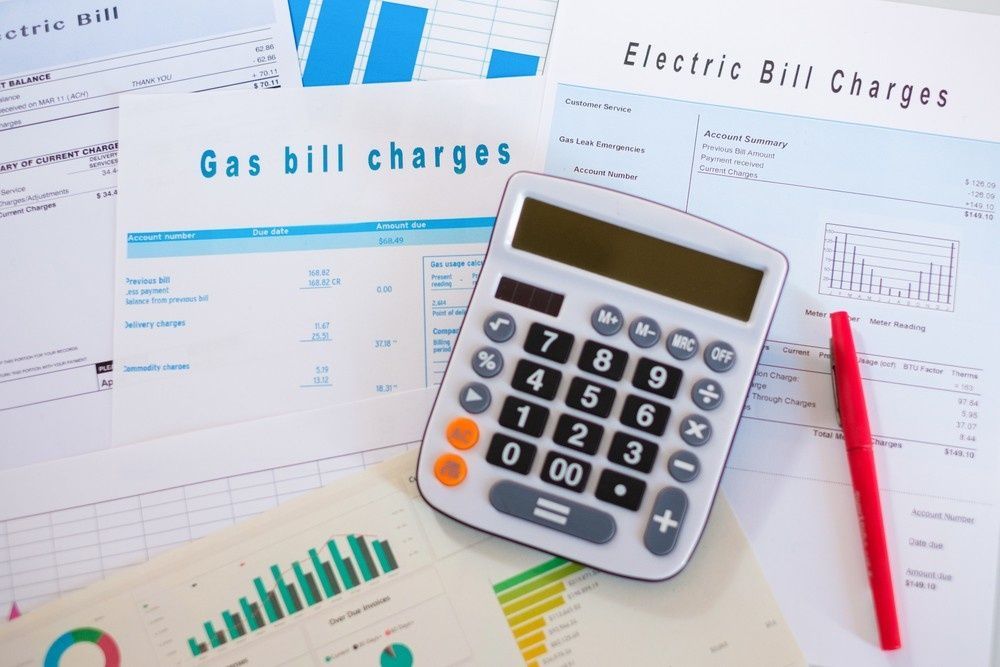
We follow a consistent process to manage accounts payable and receivable with accuracy and reliability. For accounts payable, we record supplier invoices, match them with purchase orders or receipts, and schedule payments according to agreed terms. Each transaction is documented in secure, cloud-based accounting software to maintain full traceability and support efficient reporting. For accounts receivable, we issue invoices promptly, record payments, and reconcile receipts to ensure outstanding balances are monitored.
Our system identifies overdue invoices and tracks payment histories, providing clear visibility into a business’s cash position. We perform regular reconciliations to confirm that all incoming and outgoing funds align with bank records.
All processes comply with Australian accounting standards and ATO record-keeping requirements, ensuring each entry is accurate and verifiable. By maintaining structured, transparent systems, we help businesses manage their day-to-day financial transactions with consistency and accountability.


